Cooking rice seems simple until it goes wrong. You measure your water, put it on the stove, and expect soft, fluffy grains. But instead, you open the pot and find rice that is wet, clumpy, and sticking together. If that sounds familiar, you’re not alone. …
Eggs are one of the most common foods eaten around the world. They are affordable, easy to cook, and packed with important nutrients that the body needs. Many people eat eggs for breakfast, while others include them in different meals throughout the day. But have …
If you have ever stayed in a hotel or searched for breakfast options while traveling, you may have come across the term “continental breakfast.” Many hotels advertise it as a quick and convenient morning meal for guests. But have you ever wondered why it is called continental breakfast and what makes it different from other types of breakfast?
In this article, we will explain the meaning of continental breakfast, where the name came from, what foods are usually included, and how it became popular around the world.
What Is a Continental Breakfast?
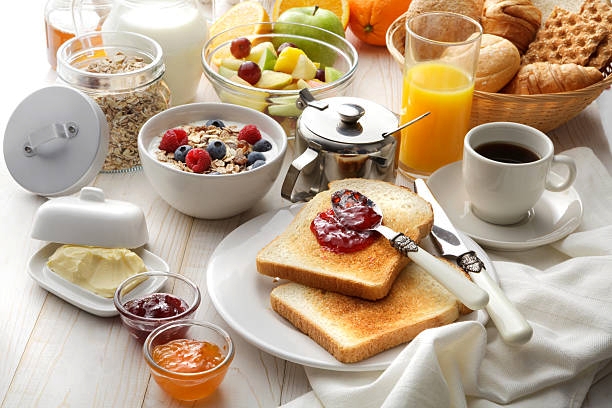
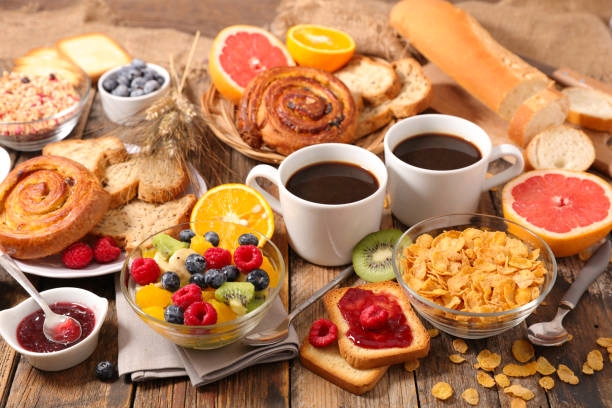
A continental breakfast is a light morning meal that usually includes simple foods such as bread, pastries, fruit, and coffee or tea. Unlike heavy breakfast meals that involve cooked dishes, a continental breakfast is designed to be quick, easy, and convenient.
Most hotels serve continental breakfast because it is affordable and simple to prepare. Guests can usually pick their food from a small buffet table rather than ordering a full meal.
Typical items found in a continental breakfast include:
Bread or toast
Croissants and pastries
Butter, jam, or honey
Fresh fruits
Cereal or granola
Yogurt
Coffee or tea
Fruit juice
These foods are usually easy to serve and require little or no cooking.
Why Is It Called Continental Breakfast?
The name continental breakfast comes from the eating habits of people in , especially in countries such as , , and .
In many European countries, people traditionally prefer light breakfasts rather than large meals in the morning. A typical breakfast might only consist of bread or a pastry with coffee.
When travelers from and visited Europe in the 19th century, they noticed this lighter style of breakfast. Hotels began using the term “continental breakfast” to describe the type of breakfast commonly eaten on the European continent.
So the word “continental” simply refers to the European continent, meaning a breakfast inspired by European eating traditions.
How Continental Breakfast Became Popular in Hotels
During the late 1800s and early 1900s, international travel became more common. Hotels needed a simple way to provide breakfast to many guests without spending too much time or money preparing large meals.
Serving a continental breakfast became a practical solution because:
It requires minimal cooking
It is quick for guests to eat
It is less expensive for hotels
It can be served buffet-style
Over time, hotels around the world adopted this style of breakfast, and it eventually became a standard offering in many hotels and guesthouses.
Today, continental breakfast is commonly served in hotels across , , and many other countries.
Continental Breakfast vs Full Breakfast
One reason continental breakfast became popular is because it is lighter compared to traditional cooked breakfasts.
Continental Breakfast
A continental breakfast usually includes simple foods such as:
Bread or pastries
Fruits
Coffee or tea
Juice
Yogurt or cereal
It is designed to be light and quick.
Full Breakfast
A full breakfast, on the other hand, includes cooked dishes such as eggs, bacon, sausages, beans, and potatoes. A classic example is the , which is a heavy and filling meal.
Because a full breakfast requires more preparation and cooking, many hotels prefer offering continental breakfast instead.
While the exact menu may vary from one hotel to another, most continental breakfasts include a similar selection of foods.
1. Bread and Pastries
Bread products are the most important part of a continental breakfast. These may include toast, bagels, muffins, or croissants.
One popular pastry commonly served is the , which originally comes from .
2. Spreads and Toppings
Bread is usually served with spreads such as:
Butter
Jam
Honey
Peanut butter
These spreads add flavor without requiring complicated preparation.
3. Fruits
Fresh fruits like bananas, apples, oranges, and berries are often included. Fruits provide vitamins and make the breakfast healthier.
4. Beverages
Drinks are an essential part of a continental breakfast. Common options include:
Coffee
Tea
Milk
Fruit juice
Coffee is especially common because many Europeans prefer starting the day with a hot cup of coffee.
5. Cereals and Yogurt
Some hotels also add cereal, granola, or yogurt to make the breakfast more filling while still keeping it simple.
Why Many Travelers Prefer Continental Breakfast
There are several reasons why continental breakfast remains popular with travelers today.
1. It Is Quick and Convenient
Many travelers have busy schedules, especially when they need to leave early for meetings, sightseeing, or flights. A continental breakfast allows them to eat quickly and continue with their plans.
2. It Is Light and Easy to Digest
Some people prefer a lighter meal in the morning rather than a heavy cooked breakfast.
3. It Is Usually Included in Hotel Stays
Many hotels offer continental breakfast as a free or complimentary service, making it attractive to guests.
Is Continental Breakfast Healthy?
A continental breakfast can be healthy depending on the foods you choose. For example, selecting whole-grain bread, fresh fruit, and yogurt can provide a balanced and nutritious start to the day.
However, if the breakfast mainly includes sugary pastries and sweet juices, it may not be the healthiest option. Adding protein sources like yogurt or nuts can make it more nutritious.
Final Thoughts
The term continental breakfast comes from the traditional eating habits of people in , where breakfast is usually light and simple. Over time, hotels around the world adopted this style because it is easy to prepare, affordable, and convenient for travelers.
Today, continental breakfast remains one of the most common breakfast options offered by hotels, providing guests with a quick and enjoyable way to start their day.
Frequently Asked Questions (FAQs)
What does continental breakfast mean?
A continental breakfast refers to a light breakfast typically consisting of bread, pastries, fruit, and beverages such as coffee or tea.
Why do hotels serve continental breakfast?
Hotels serve continental breakfast because it is inexpensive, easy to prepare, and convenient for guests.
Is continental breakfast free in hotels?
Many hotels include continental breakfast as a complimentary service for guests, although this may vary depending on the hotel.
What is the difference between continental breakfast and buffet breakfast?
A continental breakfast is usually lighter and includes fewer food options, while a buffet breakfast may include cooked dishes such as eggs, bacon, and pancakes.
Plantain chips are one of the most loved snacks in many parts of the world, especially in West Africa and the Caribbean. They are crunchy, tasty, and incredibly easy to prepare at home. Whether you want a quick snack, something to serve guests, or a …
If your dog is looking a little too skinny, you’re not alone. Many dog owners worry when their pet starts losing weight or simply isn’t filling out the way they should. Maybe your dog is recovering from illness, recently adopted, extremely active, or just a …
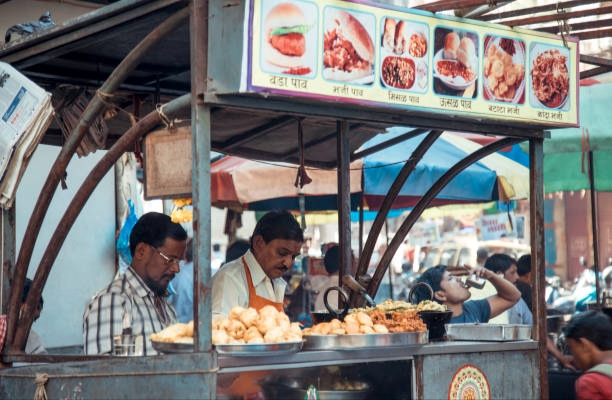
Indian street food is famous around the world for its bold spices, vibrant colors, and unforgettable flavors. From crispy snacks served on roadside carts to sizzling dishes prepared right in front of you, the experience is exciting and deeply cultural.
But one common question many people ask before trying it is: Is Indian street food safe?
The honest answer is this: it can be safe — if you know what to look for and how to choose wisely.
In this detailed guide, you’ll learn how street food works in India, what makes some stalls safer than others, common risks, practical safety tips, and how to enjoy the experience without putting your health at risk.
Why Indian Street Food Is So Popular
Street food is not just about eating cheaply. In India, it’s part of daily life and local culture. Office workers grab snacks during breaks. Students gather around vendors after school. Families stop by carts in the evening.
Cities like , , , and are especially known for their diverse street food scenes.
Popular dishes include:
Pani puri
Samosa
Chaat
Vada pav
Dosa
Kebabs
Jalebi
Each region has its own specialties, and many vendors have been serving the same recipes for decades.
So safety concerns are understandable, but it’s also important to recognize that millions of locals eat street food daily without issue.
What Makes People Question Its Safety?
When travelers worry about Indian street food, it’s usually because of:
Hygiene concerns
Water quality
Food storage practices
Unfamiliar spices
Fear of “Delhi belly” (traveler’s diarrhea)
Let’s break these down realistically.
Hygiene: The Most Important Factor
Hygiene standards vary. Some vendors maintain impressive cleanliness, while others may not meet ideal food safety practices.
Here’s what you should observe:
1. Is the Stall Busy?
A busy stall is often a good sign. High turnover means:
Food is fresh
Ingredients are replaced frequently
Less chance of spoilage
If locals are lining up, that’s usually a positive signal.
2. Is the Food Cooked Fresh in Front of You?
Hot, freshly cooked food is much safer than pre-prepared items sitting for hours.
Fried items like samosas or freshly grilled kebabs are typically safer than:
Raw salads
Cut fruits
Foods exposed to open air
Heat kills most harmful bacteria. Always prefer food that is steaming hot.
3. Does the Vendor Handle Money and Food Separately?
If the same hands touch cash and your food without washing, contamination risk increases.
Look for vendors who:
Use gloves
Use separate staff for money handling
Use tongs instead of bare hands
Small details like these matter.
Water: A Major Safety Concern
In some parts of India, tap water may not be safe for foreigners who are not used to local bacteria. Street foods that involve untreated water can pose risk.
Foods to be cautious about:
Pani puri (because of flavored water)
Juices with ice
Chutneys made with untreated water
Safer choices include:
Bottled water only
Freshly fried foods
Sealed beverages
When in doubt, avoid anything that contains raw water.
The Reality About Traveler’s Diarrhea
Many cases of stomach upset are not strictly due to “dirty food.” They often happen because:
Your body is not used to new bacteria
Spices are stronger than what you’re accustomed to
Sudden dietary changes shock your system
Even safe food can upset your stomach if your digestive system isn’t used to it.
To reduce risk:
Start with small portions
Avoid overeating on the first day
Drink plenty of bottled water
Carry oral rehydration salts when traveling
Regional Differences in Food Safety
Food safety can vary between regions and cities.
In major metro cities like and , food safety awareness has improved significantly in recent years. Many vendors now follow better hygiene practices due to tourism and social media visibility.
In smaller towns, standards may vary more widely.
Urban areas with high tourist traffic often maintain better food handling practices compared to less regulated regions.
When Indian Street Food Is Generally Safe
Street food is usually safe when:
It is freshly cooked and served hot
The stall is busy and popular
The vendor maintains visible cleanliness
Ingredients look fresh
You avoid raw and uncooked items
Millions of Indians eat street food daily without falling ill. The key is choosing wisely.
When You Should Be Cautious
Avoid a stall if:
Flies are everywhere
There is no clean water source nearby
The vendor ignores basic hygiene
The food smells sour or unpleasant
Trust your instincts. If something feels off, move on. There are usually many other options nearby.
If you’re visiting India for the first time, follow these practical steps:
1. Research Before You Go
Look up popular street food areas online. Well-known food streets often maintain higher quality standards due to competition and reputation.
2. Follow the Crowd
If locals eat there regularly, that’s a good sign. Locals know which vendors are reliable.
3. Avoid Raw Garnishes
Skip raw onions, salads, and chutneys if you’re unsure about water safety.
4. Carry Basic Medication
Keep oral rehydration salts and mild stomach medication just in case. It’s better to be prepared.
5. Eat at Peak Hours
Freshly prepared food during busy hours is much safer than food sitting around late at night.
Are Government Regulations in Place?
Yes, India has food safety regulations under the Food Safety and Standards Authority. Vendors are required to follow hygiene standards.
However, enforcement may vary depending on location. Larger cities tend to enforce regulations more strictly than rural areas.
Nutritional Perspective: Is It Healthy?
Safety and health are different topics.
Many street foods are:
Fried
High in carbs
Rich in spices
Served with sauces
While delicious, frequent consumption may not be ideal for long-term health. But occasional indulgence is usually fine.
There are also healthier options such as:
Roasted corn
Idli
Fresh dosa
Grilled paneer or kebabs
Balance is key.
Cultural Importance of Street Food
Street food in India is more than just a meal. It reflects:
Local traditions
Family recipes
Regional identity
Social connection
For many small vendors, street food is their primary source of income. Supporting hygienic vendors contributes directly to local livelihoods.
So, Is Indian Street Food Safe?
Yes — it can be safe if you choose carefully.
The safety depends more on:
Vendor hygiene
Food freshness
Your personal tolerance
Smart eating habits
It is not accurate to label all Indian street food as unsafe. At the same time, blindly eating anywhere without caution is not wise either.
With awareness and simple precautions, you can enjoy the flavors without unnecessary risk.
Frequently Asked Questions (FAQ)
Can vegetarians safely eat Indian street food?
Yes. Many Indian street foods are vegetarian by default. However, vegetarians should confirm that cooking oil and utensils are not shared with meat items if that matters to them.
Is spicy food more likely to cause stomach problems?
Spice itself doesn’t usually cause infection. However, if you are not used to spicy food, it can irritate your stomach and make symptoms feel worse.
Are packaged street snacks safer than fresh ones?
Packaged snacks from reputable brands are generally safer because they are factory-sealed. However, freshly cooked hot food from a clean vendor can also be very safe.
How long does it take to recover if you get mild food poisoning?
Most mild cases resolve within one to three days with rest and hydration. Severe symptoms require medical attention.
Is it safer to eat street food during the day or at night?
Eating during busy daylight hours is usually safer because ingredients are fresher and turnover is higher compared to very late-night stalls.
Final Thoughts
Indian street food offers an unforgettable culinary experience filled with flavor, culture, and energy. While hygiene standards can vary, being observant and making informed choices significantly reduces risk.
Instead of avoiding it completely, approach it smartly. Choose busy stalls, eat freshly cooked food, avoid untreated water, and listen to your body.
With the right precautions, you can enjoy one of the most exciting food cultures in the world — safely and confidently.
Blackberry wine is one of the easiest and most rewarding homemade wines you can make. If you have access to fresh blackberries, you already have the most important ingredient. The deep color, rich aroma, and slightly tart-sweet flavor make it a favorite among home winemakers. …
A pink drink is one of those beverages that looks beautiful, tastes refreshing, and instantly lifts your mood. Whether you’ve seen it trending on social media or tried it at a café, the good news is this: you can easily make a delicious pink drink …
As a responsible pet owner, ensuring your dog’s food stays fresh, safe, and nutritious is just as important as choosing the right food. Proper storage not only preserves the flavor and nutrients but also prevents contamination, spoilage, and pests. Whether you feed your dog dry kibble, wet canned food, or a combination, knowing the right storage methods is essential. In this guide, we’ll explore everything you need to know about storing dog food effectively.
Why Proper Dog Food Storage Matters
Dog food is more than just fuel; it provides essential nutrients, vitamins, and minerals that keep your dog healthy. Improper storage can compromise these nutrients, leading to digestive problems, loss of flavor, or even health risks. Here are a few reasons why proper storage is important:
Preserves Nutrients: Exposure to air, heat, or moisture can degrade vitamins and minerals in dog food. Proper storage keeps the nutritional value intact.
Prevents Spoilage: Food that is not stored correctly can develop mold, bacteria, or fungi, making it unsafe for your dog.
Avoids Pests: Rodents, ants, and insects are attracted to pet food. Secure storage helps prevent infestations.
Maintains Freshness: Dogs are sensitive to smells and tastes. Freshly stored food encourages them to eat and enjoy their meals.
Understanding Different Types of Dog Food
Before diving into storage tips, it’s important to know the type of dog food you’re storing, as storage requirements vary.
Dry Dog Food (Kibble)
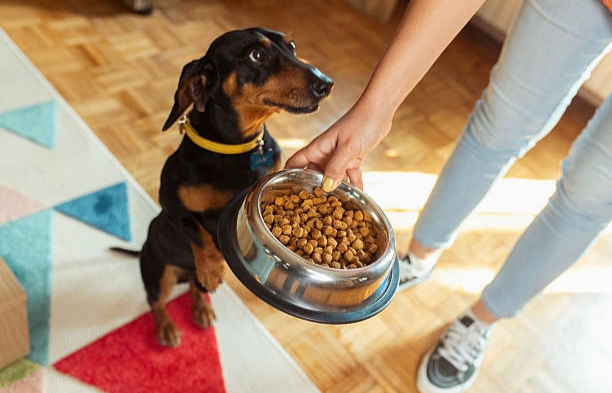
Dry dog food is the most common and convenient option. It has low moisture content and usually contains preservatives to extend shelf life. However, exposure to air and humidity can make kibble stale or spoil faster.
Wet Dog Food (Canned)
Wet food contains high moisture content, which makes it highly perishable once opened. It’s essential to refrigerate unused portions to prevent bacterial growth.
Dehydrated and Freeze-Dried Food
These foods are usually shelf-stable for long periods but can absorb moisture from the air. Storing them in airtight containers is crucial to keep them crisp and safe.
Tips for Storing Dry Dog Food
Dry dog food is relatively easy to store, but following the right steps ensures it stays fresh longer.
1. Keep It in the Original Bag
The original packaging is designed to protect the food from light, moisture, and air. Keep the kibble in its bag, folded at the top, and place the bag inside an airtight container.
2. Use Airtight Containers
Airtight containers prevent exposure to air, humidity, and pests. Plastic or metal containers with tight-fitting lids work well. Some containers also have measuring scoops, making feeding easier.
3. Store in a Cool, Dry Place
Heat accelerates the breakdown of fats and nutrients in dog food. Store dry food in a cool, dry area away from direct sunlight. Avoid places like near the stove or in hot garages.
4. Avoid Refrigeration
Unlike wet food, dry kibble doesn’t need to be refrigerated. Refrigeration can introduce moisture, which can lead to mold growth.
5. Check Expiration Dates
Always use food before its “best by” date. Rotate your stock by using older bags first to prevent waste.
Tips for Storing Wet Dog Food
Wet dog food requires more careful handling because it is more perishable.
1. Refrigerate After Opening
Once opened, place unused portions in a sealed container and store them in the refrigerator. Use them within 3–5 days.
2. Use Clean Utensils
Always use clean spoons or scoops when serving wet food. This prevents introducing bacteria that can spoil the food.
3. Freeze for Longer Storage
If you buy wet food in bulk or want to store leftovers longer, freezing is an option. Divide food into meal-sized portions and store in freezer-safe containers. Thaw in the fridge before serving.
4. Keep Cans Sealed
If you can’t finish a can at once, cover it with a reusable lid or plastic wrap before refrigeration.
Storing Dehydrated and Freeze-Dried Dog Food
These foods are highly convenient and last longer but require proper storage.
Airtight Storage: Keep the food in an airtight container to prevent moisture absorption.
Cool, Dry Place: Avoid storing in humid or hot areas. Moisture can compromise the texture and safety of the food.
Use Quickly After Opening: Once opened, aim to use within the manufacturer’s recommended timeframe.
Common Dog Food Storage Mistakes to Avoid
Even small errors in storage can compromise your dog’s food. Here are mistakes to watch out for:
Leaving Bags Open: Exposure to air accelerates spoilage. Always seal or transfer to containers.
Storing Near Heat or Sunlight: Heat can break down nutrients and fats, causing rancidity.
Ignoring Expiry Dates: Feeding expired food can upset your dog’s stomach or cause illness.
Mixing Old and New Food: Always rotate stock to use older food first.
Using Moist or Dirty Scoops: Contamination can lead to mold growth and bacterial infections.
Tips to Make Dog Food Last Longer
Buy Appropriate Quantities: Purchase amounts your dog can finish within a reasonable time to avoid storing food too long.
Vacuum-Seal for Bulk Purchases: If you buy kibble in large quantities, vacuum-sealing portions can extend freshness.
Label Containers: Note the date of opening on containers to track freshness.
Regular Cleaning: Wash containers and utensils regularly to avoid buildup of oils and bacteria.
Special Considerations for Homemade Dog Food
If you prepare homemade dog food, storage is even more critical because there are no preservatives.
Refrigerate Immediately: Store cooked food in airtight containers and refrigerate promptly.
Use Within 3 Days: Most homemade meals should be consumed within 2–3 days.
Freeze Portions: Freeze individual portions for longer storage, up to 2–3 months depending on ingredients.
Reheat Safely: Only reheat the portion you plan to feed. Avoid repeated reheating.
Signs Dog Food Has Gone Bad
Even with proper storage, dog food can spoil. Watch for these signs:
Unpleasant Smell: Rancid or sour odors indicate spoilage.
Mold or Discoloration: Visible mold or strange color changes are a red flag.
Stale or Hard Texture: Dry food that is unusually hard or soft may be stale.
Unusual Behavior: Dogs refusing food or vomiting after eating could indicate spoiled food.
If you notice any of these signs, discard the food immediately. It’s always safer to replace dog food than risk your pet’s health.
Proper storage of dog food is essential for maintaining freshness, nutritional value, and your dog’s health. Whether you feed dry kibble, wet canned food, or homemade meals, using airtight containers, storing in cool, dry places, and following expiration guidelines are key practices. By avoiding common storage mistakes and monitoring for spoilage, you can ensure your dog always enjoys safe, tasty, and nutritious meals.
Taking a few extra minutes to store your dog’s food correctly not only protects your pet but also saves money and reduces waste. A well-fed, healthy dog starts with well-stored food!
Frequently Asked Questions
1. How long can dry dog food last once opened?
Once opened, dry dog food typically stays fresh for 4–6 weeks if stored in a cool, dry place inside an airtight container. Keeping it sealed and away from sunlight helps preserve nutrients and flavor.
2. Can I store dog food in the garage?
It’s not recommended. Garages can be hot, humid, or prone to pests, all of which can spoil dog food faster. Instead, store food indoors in a cool, dry, and shaded area.
3. Is it safe to mix new and old dog food?
Mixing new and old food is okay only if the old food is still fresh. To maintain proper nutrition and prevent spoilage, rotate stock by using older food first and keep track of opening dates.
4. Can I refrigerate dry dog food to extend shelf life?
Refrigerating dry kibble is generally not necessary. In fact, it can introduce moisture, which may lead to mold growth. Storing dry food in airtight containers at room temperature is usually sufficient.
5. How can I tell if wet dog food has gone bad?
Signs that wet food is spoiled include a sour or rancid smell, discoloration, mold, or a change in texture. If your dog refuses to eat it or shows signs of digestive upset after eating, discard it immediately.
Lunch is one of the most important meals of the day. It fuels your body for the afternoon, keeps your energy levels steady, and can even influence your mood and productivity. But many people struggle with what to eat for lunch. Should it be heavy …