How to Store Dog Food
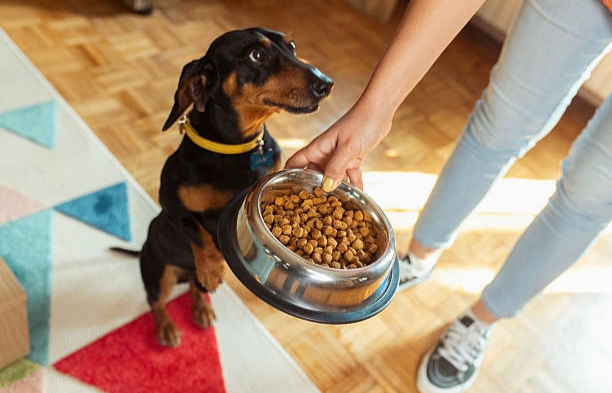
As a responsible pet owner, ensuring your dog’s food stays fresh, safe, and nutritious is just as important as choosing the right food. Proper storage not only preserves the flavor and nutrients but also prevents contamination, spoilage, and pests. Whether you feed your dog dry kibble, wet canned food, or a combination, knowing the right storage methods is essential. In this guide, we’ll explore everything you need to know about storing dog food effectively.
Why Proper Dog Food Storage Matters
Dog food is more than just fuel; it provides essential nutrients, vitamins, and minerals that keep your dog healthy. Improper storage can compromise these nutrients, leading to digestive problems, loss of flavor, or even health risks. Here are a few reasons why proper storage is important:
- Preserves Nutrients: Exposure to air, heat, or moisture can degrade vitamins and minerals in dog food. Proper storage keeps the nutritional value intact.
- Prevents Spoilage: Food that is not stored correctly can develop mold, bacteria, or fungi, making it unsafe for your dog.
- Avoids Pests: Rodents, ants, and insects are attracted to pet food. Secure storage helps prevent infestations.
- Maintains Freshness: Dogs are sensitive to smells and tastes. Freshly stored food encourages them to eat and enjoy their meals.
Understanding Different Types of Dog Food
Before diving into storage tips, it’s important to know the type of dog food you’re storing, as storage requirements vary.
Dry Dog Food (Kibble)
Dry dog food is the most common and convenient option. It has low moisture content and usually contains preservatives to extend shelf life. However, exposure to air and humidity can make kibble stale or spoil faster.
Wet Dog Food (Canned)
Wet food contains high moisture content, which makes it highly perishable once opened. It’s essential to refrigerate unused portions to prevent bacterial growth.
Dehydrated and Freeze-Dried Food
These foods are usually shelf-stable for long periods but can absorb moisture from the air. Storing them in airtight containers is crucial to keep them crisp and safe.
Tips for Storing Dry Dog Food
Dry dog food is relatively easy to store, but following the right steps ensures it stays fresh longer.
1. Keep It in the Original Bag
The original packaging is designed to protect the food from light, moisture, and air. Keep the kibble in its bag, folded at the top, and place the bag inside an airtight container.
2. Use Airtight Containers
Airtight containers prevent exposure to air, humidity, and pests. Plastic or metal containers with tight-fitting lids work well. Some containers also have measuring scoops, making feeding easier.
3. Store in a Cool, Dry Place
Heat accelerates the breakdown of fats and nutrients in dog food. Store dry food in a cool, dry area away from direct sunlight. Avoid places like near the stove or in hot garages.
4. Avoid Refrigeration
Unlike wet food, dry kibble doesn’t need to be refrigerated. Refrigeration can introduce moisture, which can lead to mold growth.
5. Check Expiration Dates
Always use food before its “best by” date. Rotate your stock by using older bags first to prevent waste.
Tips for Storing Wet Dog Food
Wet dog food requires more careful handling because it is more perishable.
1. Refrigerate After Opening
Once opened, place unused portions in a sealed container and store them in the refrigerator. Use them within 3–5 days.
2. Use Clean Utensils
Always use clean spoons or scoops when serving wet food. This prevents introducing bacteria that can spoil the food.
3. Freeze for Longer Storage
If you buy wet food in bulk or want to store leftovers longer, freezing is an option. Divide food into meal-sized portions and store in freezer-safe containers. Thaw in the fridge before serving.
4. Keep Cans Sealed
If you can’t finish a can at once, cover it with a reusable lid or plastic wrap before refrigeration.
Storing Dehydrated and Freeze-Dried Dog Food
These foods are highly convenient and last longer but require proper storage.
- Airtight Storage: Keep the food in an airtight container to prevent moisture absorption.
- Cool, Dry Place: Avoid storing in humid or hot areas. Moisture can compromise the texture and safety of the food.
- Use Quickly After Opening: Once opened, aim to use within the manufacturer’s recommended timeframe.
Common Dog Food Storage Mistakes to Avoid
Even small errors in storage can compromise your dog’s food. Here are mistakes to watch out for:
- Leaving Bags Open: Exposure to air accelerates spoilage. Always seal or transfer to containers.
- Storing Near Heat or Sunlight: Heat can break down nutrients and fats, causing rancidity.
- Ignoring Expiry Dates: Feeding expired food can upset your dog’s stomach or cause illness.
- Mixing Old and New Food: Always rotate stock to use older food first.
- Using Moist or Dirty Scoops: Contamination can lead to mold growth and bacterial infections.
Tips to Make Dog Food Last Longer
- Buy Appropriate Quantities: Purchase amounts your dog can finish within a reasonable time to avoid storing food too long.
- Vacuum-Seal for Bulk Purchases: If you buy kibble in large quantities, vacuum-sealing portions can extend freshness.
- Label Containers: Note the date of opening on containers to track freshness.
- Regular Cleaning: Wash containers and utensils regularly to avoid buildup of oils and bacteria.
Special Considerations for Homemade Dog Food
If you prepare homemade dog food, storage is even more critical because there are no preservatives.
- Refrigerate Immediately: Store cooked food in airtight containers and refrigerate promptly.
- Use Within 3 Days: Most homemade meals should be consumed within 2–3 days.
- Freeze Portions: Freeze individual portions for longer storage, up to 2–3 months depending on ingredients.
- Reheat Safely: Only reheat the portion you plan to feed. Avoid repeated reheating.
Signs Dog Food Has Gone Bad
Even with proper storage, dog food can spoil. Watch for these signs:
- Unpleasant Smell: Rancid or sour odors indicate spoilage.
- Mold or Discoloration: Visible mold or strange color changes are a red flag.
- Stale or Hard Texture: Dry food that is unusually hard or soft may be stale.
- Unusual Behavior: Dogs refusing food or vomiting after eating could indicate spoiled food.
If you notice any of these signs, discard the food immediately. It’s always safer to replace dog food than risk your pet’s health.
Also read: How to Store & Reheat Nigerian Soups So They Still Taste Fresh
Conclusion
Proper storage of dog food is essential for maintaining freshness, nutritional value, and your dog’s health. Whether you feed dry kibble, wet canned food, or homemade meals, using airtight containers, storing in cool, dry places, and following expiration guidelines are key practices. By avoiding common storage mistakes and monitoring for spoilage, you can ensure your dog always enjoys safe, tasty, and nutritious meals.
Taking a few extra minutes to store your dog’s food correctly not only protects your pet but also saves money and reduces waste. A well-fed, healthy dog starts with well-stored food!
Frequently Asked Questions
1. How long can dry dog food last once opened?
Once opened, dry dog food typically stays fresh for 4–6 weeks if stored in a cool, dry place inside an airtight container. Keeping it sealed and away from sunlight helps preserve nutrients and flavor.
2. Can I store dog food in the garage?
It’s not recommended. Garages can be hot, humid, or prone to pests, all of which can spoil dog food faster. Instead, store food indoors in a cool, dry, and shaded area.
3. Is it safe to mix new and old dog food?
Mixing new and old food is okay only if the old food is still fresh. To maintain proper nutrition and prevent spoilage, rotate stock by using older food first and keep track of opening dates.
4. Can I refrigerate dry dog food to extend shelf life?
Refrigerating dry kibble is generally not necessary. In fact, it can introduce moisture, which may lead to mold growth. Storing dry food in airtight containers at room temperature is usually sufficient.
5. How can I tell if wet dog food has gone bad?
Signs that wet food is spoiled include a sour or rancid smell, discoloration, mold, or a change in texture. If your dog refuses to eat it or shows signs of digestive upset after eating, discard it immediately.