Choosing the right foods for lunch plays a big role in your weight loss journey. It’s not always easy to prepare healthy meals, especially when you’re busy at work or constantly on the move. But with a little planning, you can enjoy lunches that are …
There’s something truly comforting about a bowl of well-made vegetable soup—rich, colorful, and full of natural flavor. Whether you’re making it for a quick weekday meal or a hearty weekend dish, this simple recipe brings together fresh vegetables, delicious spices, and a touch of creativity. …
Homemade noodles are more than just food — they’re comfort, creativity, and tradition all rolled into one. There’s something special about mixing a few simple ingredients with your own hands and turning them into soft, silky noodles that soak up flavor beautifully. In this guide, you’ll learn exactly how to make noodles from scratch using ingredients you already have at home. The process is simple enough for beginners yet satisfying for anyone who loves real, homemade cooking. From the first mix of flour to the final bite, this recipe will show you how easy it is to create fresh noodles that taste richer, fresher, and more authentic than anything store-bought. Once you try this method, you’ll never want to buy packaged noodles again.
Prep Time: 10 minutes Cook Time: 10 minutes Resting/Drying Time: About 2 hours 20 minutes Total Time: Around 2 hours 40 minutes Servings: Makes about 4 portions
Making noodles from scratch doesn’t take much hands-on time — just a few minutes to mix and roll the dough. Most of the total time is letting the noodles rest and dry naturally, which gives them that perfect texture once cooked.
Why You’ll Love This Homemade Noodle Recipe
1. Only four simple ingredients. You don’t need anything fancy — just everyday staples like flour, egg, milk, and a pinch of salt.
2. Quick and easy. The dough comes together fast and cooks in about ten minutes, making it perfect for busy days or last-minute meals.
3. Flexible and foolproof. You can swap in whole-wheat, bread, or all-purpose flour and still get soft, flavorful noodles every time.
4. Beginner-friendly. Even if you’ve never made noodles before, this recipe is easy to follow and gives consistently great results.
5. Deliciously authentic. Homemade noodles have a rich flavor and silky texture that you’ll never get from packaged pasta.
1 large egg – adds richness, color, and structure to your noodles.
2 tablespoons milk – helps make the dough smooth and easy to roll out.
½ teaspoon salt – balances the flavor and strengthens the texture.
1 cup all-purpose flour (sifted) – the main ingredient that forms the base of your noodles; you may need a little extra if the dough feels sticky.
💡 Pro Tip: For a slightly chewy texture, replace a few tablespoons of the all-purpose flour with bread flour. If you like your noodles more rustic, use half whole wheat flour for extra depth of flavor.
Directions
1. Prepare your ingredients. Start by gathering all the essentials — egg, milk, salt, and flour. Having everything ready makes the process smoother and faster.
2. Mix the dough. In a medium-sized bowl, whisk together the egg, milk, and salt. Gradually add the sifted flour, stirring with a fork or your hands until a dough begins to form. If the dough feels sticky, add a little extra flour, one tablespoon at a time, until it comes together. Divide it into two small balls.
3. Roll out the dough. Lightly flour your work surface, then use a rolling pin to roll each ball of dough as thin as you prefer. For soup noodles, roll thinner; for heartier dishes, leave them slightly thicker. Allow the rolled-out dough to rest for about 20 minutes — this helps improve texture and makes cutting easier.
4. Cut and dry the noodles. Use a sharp knife or pizza cutter to slice the dough into even strips. Gently separate the noodles and dust them with a bit of flour to prevent sticking. Spread them out on a clean surface or tray and let them dry for around 1–2 hours.
5. Cook the noodles. Bring a pot of salted water (or broth) to a boil. Add your noodles and cook until tender — about 8 to 10 minutes for dried noodles or just 2 to 3 minutes if cooking them fresh. Drain and serve immediately with your favorite sauce, soup, or stir-fry.
Pro Tip for Perfect Homemade Noodles
If you love noodles with a little extra bite, mix ½ teaspoon of baking powder into the flour when forming your dough. This small tweak helps the noodles puff slightly as they cook, giving them a thicker, more tender texture. It’s a great trick for hearty soups, creamy sauces, or any dish where you want your noodles to really stand out.
Nutrition Facts (Per Serving)
Homemade noodles are not just delicious they’re also simple and wholesome. Here’s the approximate nutritional breakdown for one serving of this recipe:
Calories: 135
Total Fat: 2g
Carbohydrates: 24g
Protein: 5g
These values are estimated and can vary slightly depending on the type of flour and milk you use. Because you’re making these noodles from scratch, you control the ingredients — meaning no preservatives, no additives, and a fresher, cleaner meal overall.
Conclusion
Learning how to make homemade noodles isn’t just about cooking — it’s about creating something real, fresh, and satisfying with your own hands. With only a few simple ingredients, you can turn an ordinary meal into something special that tastes far better than store-bought options. The best part is that once you try it, you’ll see how easy and enjoyable it is to prepare noodles from scratch. Whether you serve them in a warm soup, toss them with your favorite sauce, or use them in a stir-fry, homemade noodles always bring comfort and flavor to the table. Keep practicing, experiment with different flours and thicknesses, and soon you’ll have your own signature noodle recipe that your family will love for years to come.
Frequently Asked Questions (FAQ)
1. Can I make homemade noodles without any special equipment?
Yes! You don’t need a pasta maker or fancy kitchen tools to make delicious homemade noodles. A rolling pin, a knife, and a clean surface are all you really need. If you don’t have a rolling pin, even a smooth glass bottle can do the job. The key is to roll your dough evenly to your desired thickness and cut it into thin, consistent strips so that all your noodles cook at the same rate. Making noodles by hand actually gives you more control over their thickness and texture — plus, it’s a great way to connect with the process and enjoy the satisfaction of homemade cooking.
2. How long should I let the noodles rest or dry before cooking them?
After rolling and cutting your dough, it’s best to let the noodles rest for at least 20 minutes before cooking. This allows the gluten in the dough to relax, which makes your noodles softer and less likely to shrink or curl when boiled. If you want to store them or prefer a firmer, more traditional texture, spread the noodles out on a clean towel or tray and let them air-dry for about 1–2 hours. Make sure to sprinkle a little flour on them before drying — this prevents them from sticking together. Once dried, you can cook them immediately or store them for later.
3. What’s the best way to store homemade noodles for later use?
You can store homemade noodles in three ways: freshly made, dried, or frozen. Fresh noodles can be kept in an airtight container in the fridge for up to 2 days. For longer storage, allow them to dry completely, then place them in an airtight jar or bag and store in a cool, dry place for up to one week. If you want to keep them even longer, freezing is the best option. To freeze, dust the noodles lightly with flour, divide them into portions, and place them in freezer bags. When ready to cook, drop them straight into boiling water — no need to thaw. They’ll cook in just a few minutes and taste as fresh as the day you made them.
4. Which flour works best for making homemade noodles?
All-purpose flour is the most commonly used and works well for soft, tender noodles. However, you can experiment depending on your taste preferences. Bread flour has a higher protein content, which gives your noodles a slightly chewy texture, perfect for stir-fries or thick sauces. Whole wheat flour adds a nutty flavor and a bit more nutrition, though it can make noodles denser. For lighter, silkier noodles, you can mix all-purpose flour with a bit of cornstarch. The beauty of homemade noodles is that you can adjust the ingredients to match your cooking style and the dishes you plan to serve them with.
5. Why are my homemade noodles too sticky or tough after cooking?
If your noodles turn out sticky, you may not have used enough flour while rolling and cutting them. Always dust your surface and noodles lightly with flour before cutting to keep them from clumping. Stir the noodles gently once they go into the boiling water to help them separate as they cook. If they come out tough, it might be because the dough was over-kneaded or rolled too thick. Homemade noodle dough should be smooth and elastic — not too stiff. Also, make sure not to overcook them; fresh noodles usually need just 2–4 minutes in boiling water, while dried ones take a bit longer. With a little adjustment, your next batch will turn out perfectly soft and flavorful.
6. Can I flavor my homemade noodles or add extra ingredients?
Absolutely! One of the best parts of making noodles from scratch is the freedom to customize them. You can add herbs like parsley, basil, or chives to the dough for extra aroma and color. For a subtle golden tone, add a pinch of turmeric or saffron. You can also use spinach or beet puree to create colorful vegetable noodles that are as pretty as they are healthy. Just remember that when adding liquids, you may need to balance it with a bit more flour to keep the dough firm but workable.
Many people use the words yam and sweet potato as if they mean the same thing, but they are actually very different. Although both are tubers that grow underground and sometimes look alike, they come from completely different plant families and have distinct tastes, textures, …
Cooking fresh green beans might seem simple at first, but it’s surprisingly easy to get them wrong. Look away for a few moments, and they can quickly go from tender and crisp to soft and mushy — and once that happens, there’s no fixing it. …
There’s nothing quite like a glass of freshly squeezed orange juice in the morning its bright color, zesty aroma, and refreshing flavor instantly lift the day. In this guide I’ll teach you simple, practical techniques to get the best flavor and maximum yield from everyday oranges: how to choose them, how to prep them, and the easy juicing methods that deliver a lively, natural-tasting drink. Follow these steps and you’ll be pouring a vibrant, freshly made glass in minutes.
Picking the right orange makes all the difference in the flavor and texture of your juice. Some varieties are naturally sweeter, while others bring a hint of tang or deeper color. Here are a few of the best types to look for:
Valencia Oranges – Known for their high juice content and balanced flavor, Valencias are the classic choice for large batches or fresh-squeezed juice stands. Their bright, refreshing taste makes them perfect for morning drinks.
Navel Oranges – A favorite for juicing, navels are sweet, seedless, and easy to peel. They’re available most of the year and produce a rich, smooth juice that’s great for everyday use.
Cara Cara Oranges – A type of navel orange, Cara Caras have a pinkish-red interior and a mild, low-acid sweetness. They’re smooth, fragrant, and perfect for those who enjoy a softer, less tangy juice.
Blood Oranges – With their deep red flesh and slightly tart edge, blood oranges add a striking color and unique twist to any juice blend. They’re ideal if you want a flavor that’s both sweet and citrusy with a touch of berry-like depth.
How to Make Fresh Orange Juice
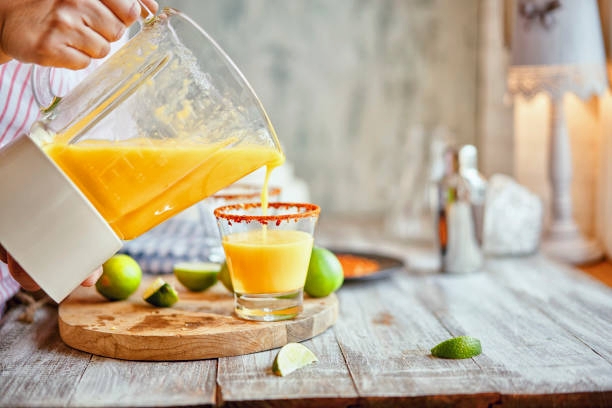
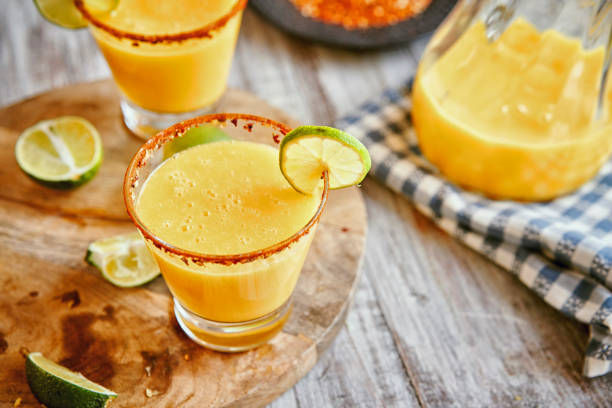
Chili Lime Mango Margaritas
Ingredients
6 ripe oranges
1 tablespoon honey or sugar (optional, to taste) — helps balance tartness if needed
1 small lemon or lime (optional) — adds brightness and lifts the flavor
A pinch of salt — rounds out sweetness and enhances aroma
1/4 cup cold water or sparkling water (optional) — thin slightly for a lighter mouthfeel or make a spritz
Ice cubes (for serving)
A small knob of fresh ginger or a few mint leaves (optional) — for a subtle spicy or herb note
Instructions
1. Select and prep the fruit Pick oranges that feel heavy for their size and give slightly when pressed — that weight usually means lots of juice. Roll each fruit on the counter under the heel of your hand a few times before cutting; this breaks down the membranes inside and makes juicing easier. Rinse the oranges under cool running water and pat them dry so the skins are clean and won’t transfer any grit or residue into the juice.
2. Bring to room temperature Cold oranges yield less juice, so if they’ve been in the fridge, set them out for 20–30 minutes. When you’re short on time, heat them for about 10–15 seconds in the microwave (on low) or place them in warm water for a few minutes — just enough to warm them slightly. The gentle warmth loosens the juice-filled cells and increases output without affecting flavor.
3. Cut for juicing Use a sharp knife and a sturdy cutting board. Slice each orange across the equator (horizontally) rather than lengthwise — this exposes the segments in a way that’s easier to press on a reamer or juicer cone. If you notice any seeds while cutting, remove them before juicing to avoid bitterness. Keep your cuts clean so you don’t mash the peel into the fruit; bitter oil from the rind can change the taste if it gets mixed in.
4. Set up the juicer Assemble your electric or manual juicer on a level surface so it won’t wobble while you work. If your juicer has size inserts or different cones, pick the cone that matches the orange size for better contact and extraction. Place a bowl or the juicer’s container beneath the spout and have a small sieve or strainer nearby if you plan to remove pulp. For blender users, have a fine mesh sieve or cheesecloth ready to strain blended pulp for a smoother drink.
5. Start juicing Press each orange half firmly onto the reamer or juicer cone and apply steady pressure; rotate the fruit slowly to squeeze the maximum amount of liquid from each segment. If you’re using an electric model, let the reamer do the work — guide the fruit and keep the pressure even. If you’re juicing by hand, twist and press repeatedly, then give the half a final squeeze to extract remaining juice. Pouring periodically into a measuring cup helps you monitor yield and flavor as you go.
6. Repeat and combine Juice all the halves the same way, working consistently so your final batch is balanced. If you’re mixing varieties (like Valencia with Navel), alternate halves as you go to create a uniform flavor profile rather than squeezing all of one variety first and another later. This helps avoid a batch that tastes unevenly sweet or tart. Periodically taste a small sample — it’s the quickest way to know whether you’ll need to adjust sweetness or acidity later.
7. Adjust the flavor Taste the fresh juice straight from your bowl. If it’s too tart, add sweetener a teaspoon at a time — honey dissolves easily and adds depth, while granulated sugar is neutral and adjustable. A squeeze of lemon or lime can brighten a flat batch, and a tiny pinch of salt will round flavors without making the juice taste salty. If you’re adding ginger, mint, or other aromatics, add them sparingly and let the juice sit a few minutes to meld the flavors before serving.
8. Strain, chill, and serve If you prefer a smoother texture, pour the juice through a fine mesh sieve or a double layer of cheesecloth into a serving pitcher, pressing gently on the pulp to release extra liquid. Chill for a few minutes or pour over ice if you like it cold — freshly squeezed juice is at its best right away, but chilling slightly will sharpen the refreshment. Garnish with an orange wheel, a sprig of mint, or a thin twist of zest for aroma. When serving larger groups, stir the pitcher gently before pouring so any settled flavor elements redistribute evenly.
How to Store Fresh Orange Juice
Fresh-squeezed orange juice always tastes best right after it’s made — that’s when the flavor is brightest and the vitamin content is at its peak. If you have leftovers, though, you can still keep them fresh for a short time. Pour the juice into a clean, airtight glass container or a bottle with a tight-fitting lid. Glass helps preserve the flavor better than plastic, which can absorb or transfer odors. Store it in the coldest part of your refrigerator, not on the door where temperatures fluctuate. Properly sealed, the juice will stay fresh for about two to three days. Before serving again, give it a gentle shake or stir to mix any natural separation that may occur. If you want to store it longer, you can freeze it in portions — use freezer-safe containers or even ice-cube trays, leaving a bit of space at the top because liquid expands as it freezes. Thaw in the refrigerator overnight and shake before drinking.
Don’t throw away that nutrient-rich pulp — it’s packed with fiber and flavor. You can:
Freeze it in ice-cube trays and add a few cubes to smoothies for extra body and natural sweetness.
Blend it into muffin, pancake, or bread batter for added moisture and subtle citrus flavor.
Mix it into soups or broths to give a mild tang and natural fragrance.
Or simply add it to your compost bin — it breaks down easily and enriches garden soil.
Smart Uses for Orange Peels
Orange peels are surprisingly versatile. Before tossing them, think of a few ways to put them to work:
Zest the outer layer and sprinkle it into baked goods, marinades, or tea for a bright citrus lift.
Make candied orange peel by simmering strips in sugar syrup — they’re delicious as snacks or dessert toppings.
Dry the peels and grind them into a fine powder to flavor sugar, salt, or even homemade beauty scrubs.
Repurpose halves as natural candles — fill them with melted wax and a wick for a fragrant, decorative touch.
And if you prefer a practical route, turn the leftover peels into a natural all-purpose cleaner. Combine them with vinegar in a jar, let the mixture infuse for a couple of weeks, strain, and use the citrus-scented solution to wipe down surfaces safely and chemical-free.
Conclusion
Making orange juice at home is one of the easiest and most refreshing ways to start your day with something natural and healthy. With just a few fresh oranges, you can create a drink that’s rich in flavor, full of vitamins, and completely free from preservatives or artificial ingredients. The beauty of fresh orange juice lies in its simplicity—you control the sweetness, the freshness, and the texture. From picking the right oranges to squeezing out every drop, each step brings you closer to that bright, satisfying taste that store-bought juice can never match. When you take a little time to make your own, you’re not just preparing a drink—you’re choosing freshness, wellness, and a small moment of joy. So next time you crave something refreshing, skip the carton and go straight to the source. Squeeze, pour, and enjoy the pure, golden taste of sunshine in a glass.
Frequently Asked Questions (FAQ)
1. Can I make orange juice without using a juicer?
Yes, you can easily make orange juice without a juicer. All you need is a blender, a fine mesh strainer, or cheesecloth. Peel your oranges, remove the seeds, and blend the segments until smooth. Once blended, pour the mixture through the strainer into a bowl or jug, pressing gently with a spoon to extract as much juice as possible. The result will be smooth, fresh-tasting orange juice that’s just as refreshing as one made with a juicer. It might take a few extra minutes, but the flavor is absolutely worth it.
2. How long can I store fresh-squeezed orange juice in the fridge?
Fresh orange juice tastes best right after it’s made, but if you need to store it, pour it into a clean, airtight glass container and refrigerate immediately. It will stay fresh for about two to three days. To enjoy the best flavor and nutrition, give it a gentle shake before drinking, as natural separation may occur. Avoid keeping it in plastic bottles or on the refrigerator door, as temperature changes can affect the taste and freshness.
3. Is it okay to mix different types of oranges for juicing?
Yes, blending different orange varieties is actually a great way to create a richer, more balanced flavor. For example, mixing the sweetness of Navel oranges with the tangy brightness of Valencias can give your juice a more vibrant taste. You can also add a few slices of Cara Cara or Blood Orange for a unique color and subtle berry-like flavor. Experimenting with different combinations is one of the easiest ways to make your juice taste special and tailored to your preference.
4. Can I freeze fresh orange juice to use later?
Definitely! Freezing orange juice is a great way to preserve its freshness for future use. Pour the juice into freezer-safe containers or silicone ice cube trays, leaving a little space at the top since the liquid expands when frozen. Frozen juice can last for up to three months without losing its flavor. When you’re ready to enjoy it again, thaw it overnight in the refrigerator and give it a quick stir. You can even drop a few orange juice cubes into water or smoothies for a natural citrus boost.
5. How can I make my orange juice taste sweeter or more flavorful naturally?
If your oranges are slightly sour, there are simple ways to adjust the flavor without using processed sugar. You can stir in a small spoonful of honey, mix in a splash of apple or pineapple juice, or even add a tiny pinch of salt to round out the acidity. Another trick is to let the juice sit for a few minutes after squeezing — this allows the natural sugars to settle and the flavor to mellow. For an aromatic twist, try infusing your juice with a few mint leaves or a small slice of ginger before serving.
Potatoes (Solanum tuberosum) are starchy tubers that form underground at the plant’s roots, while the leafy shoots and flowers appear above the soil. Packed with carbohydrates and a good dose of potassium, they’re both filling and nutritious. Their incredible versatility means you can serve them …
Fruits taste their best when they’re in season, and knowing which ones are at their peak helps you enjoy fresher flavors, save money, and get more nutrients from every bite. When harvested at the right time, fruits are juicier, healthier, and naturally sweeter. Buying seasonal …
Ever find yourself wondering how long it actually takes to boil chicken just right? Boiling chicken may look simple on the surface, but the real trick is in the timing—that’s what separates soft, juicy chicken from meat that turns dry and tough. If you’re asking how long to boil chicken, you’re in the right place. Learn the perfect boiling times for breasts, thighs, and even a whole chicken to get tender, flavorful results every single time. Whether you’re whipping up a quick dinner, making chicken for your dog, or preparing shredded pieces for a salad or wrap, knowing the correct boiling time saves you from guesswork and kitchen mistakes. Stick around, and you’ll never have to deal with tough or undercooked chicken again!
How Long to Boil Chicken for Juicy, Tender Results
The time it takes to boil chicken depends mostly on the cut and size of the meat. Smaller pieces, like boneless breasts, cook faster, while bone-in thighs or whole chickens take a bit longer to reach that tender, juicy texture. On average, boiling can take anywhere from 10 to 40 minutes. With the right timing, you can achieve soft, flavorful, and perfectly cooked chicken that’s ready for any meal — whether you’re shredding it for salad, adding it to soup, or serving it as the main dish.
Chicken Boiling Time Chart
Getting the perfect texture when boiling chicken depends on the cut and size of the meat. Smaller, boneless pieces cook much faster than bone-in cuts or a whole chicken. Use the chart below as a quick guide to help you find the right boiling time for juicy, tender results every time.
Chicken Cut
Estimated Boiling Time
Boneless, Skinless Breasts
12–15 minutes — cooks quickly and stays lean when not overboiled.
Bone-In Breasts
25–30 minutes — takes longer due to the bone but delivers richer flavor.
Boneless Thighs
10–15 minutes — ready in no time, great for salads or stir-fries.
Bone-In Thighs (firm and just cooked)
20–25 minutes — fully cooked but still slightly firm.
Bone-In Thighs (soft and fall-apart tender)
40–60 minutes — ideal for shredding or soups.
Drumsticks
35–45 minutes — flavorful and best when simmered gently.
Wings
20–30 minutes — quick to cook and perfect for snacks or sides.
Leg Quarters
40–50 minutes — hearty cuts that need extra time to get tender.
Whole Chicken
60–90 minutes — slow boiling ensures the meat stays moist and flavorful.
How Long to Boil Frozen Chicken
When cooking frozen chicken, patience pays off. Because frozen meat takes longer for heat to reach the center, you’ll need to increase the boiling time by about 50% compared to fresh chicken. For example, if fresh boneless chicken breasts usually take around 12–15 minutes, expect frozen ones to need roughly 20–25 minutes to cook through completely.
Always make sure the internal temperature reaches 165°F (74°C) before serving. Boiling too quickly can make the outside overcooked while the inside stays cold, so let it simmer gently for tender, juicy results.
Frozen Chicken Boiling Time Chart
Cooking chicken straight from the freezer takes longer than when it’s thawed, but it’s still possible to get juicy, well-cooked results with the right timing. The key is to boil it gently so the inside cooks evenly without drying out the outer layers. Use this guide to estimate how long each cut of frozen chicken needs to cook completely.
Chicken Cut
Estimated Boiling Time (From Frozen)
Boneless, Skinless Breasts
20–30 minutes — slightly longer than thawed, but still quick and convenient.
Bone-In Breasts
45–60 minutes — takes more time for heat to reach the center; results in rich flavor.
Boneless Thighs
30–35 minutes — cooks faster and stays juicy even when boiled from frozen.
Bone-In Thighs
45–50 minutes — requires more time to soften through but comes out tender and moist.
Boiling chicken is one of the easiest ways to prepare a healthy and flavorful meal — but doing it the right way makes a huge difference in taste and texture. Follow these simple steps to make sure your chicken comes out soft, juicy, and perfectly cooked every single time.
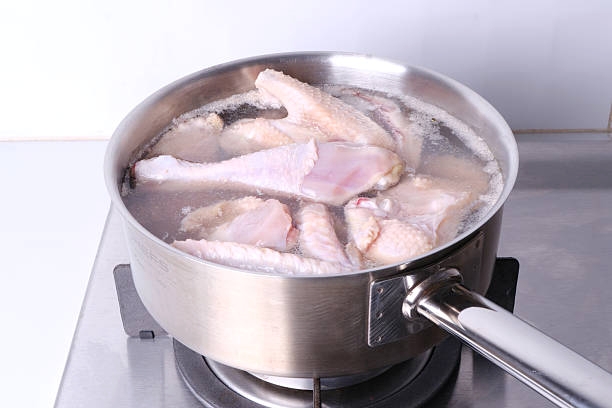
Start with boiling water. Fill a large pot with enough water to fully cover the chicken. Bring it to a steady rolling boil. For extra flavor, you can add a pinch of salt, sliced onions, garlic, or herbs to the water.
Add the chicken and reduce the heat. Once the water is boiling, carefully place the chicken pieces inside. Lower the heat to a gentle simmer — this helps the meat cook evenly and stay tender instead of turning rubbery.
Check the temperature for doneness. Use a kitchen thermometer to make sure the internal temperature reaches 165°F (74°C). That’s the safe cooking point where the chicken is fully done and safe to eat.
Let the chicken rest before cutting. After removing the chicken from the pot, allow it to sit for about 5 minutes before slicing or shredding. This short resting time lets the juices settle, keeping the meat moist and full of flavor.
With these few simple steps, you’ll always end up with tender, delicious chicken — perfect for salads, wraps, soups, or any meal that calls for a touch of home-cooked goodness.
Common Mistakes To Avoid
Boiling chicken might look like one of the easiest cooking methods, but a few small mistakes can completely change the outcome. Overcooking, using the wrong temperature, or skipping key steps can leave your chicken dry, bland, or even unsafe to eat. Understanding what to avoid is just as important as knowing what to do it’s the secret to getting juicy, flavorful, and perfectly cooked chicken every single time.
1. Boiling at High Heat
Cooking chicken on very high heat might seem like a way to finish faster, but it usually ruins the texture. When the water boils too rapidly, the proteins inside the chicken tighten too quickly and push out the natural juices. The result? Dry, rubbery meat that’s hard to chew. For soft, tender chicken, always stick to low or medium heat and let it simmer gently. This slower method allows the chicken to cook evenly from the inside out while staying moist and flavorful.
2.Adding Seasonings for Pets
It’s tempting to season your chicken for extra flavor, but when cooking for pets, that’s a big mistake. Spices like salt, garlic, or onions can be toxic to dogs and cats, even in small amounts. Always boil plain, unseasoned chicken if it’s meant for your pet. Skip the salt, herbs, and any other flavoring ingredients. Plain boiled chicken is not only safer but also easier for pets to digest and perfect for mixing into their regular meals.
3. Ignoring Food Safety
Many people overlook food safety, but it’s one of the most important steps when cooking chicken. Eating undercooked or improperly stored poultry can lead to foodborne illnesses. Always make sure the chicken’s internal temperature reaches 165°F (75°C) before eating or serving it. After cooking, don’t leave it sitting out on the counter — refrigerate leftovers within two hours to keep bacteria from growing. Proper cooking and storage ensure your chicken stays safe, fresh, and delicious.
How to Tell If Boiled Chicken Is Fully Cooked
Sometimes it can be tricky to know exactly when your boiled chicken is ready. Undercooked chicken can be unsafe to eat, while overcooked chicken becomes dry and chewy. To get it just right, here are three simple and reliable ways to check if your chicken is perfectly done:
1. Use a Meat Thermometer (Most Accurate Way)
The easiest and safest method is to check the internal temperature. Insert a food thermometer into the thickest part of the chicken, avoiding any bones.
Boneless thighs or breasts: should reach 165°F (75°C)
Bone-in pieces (like thighs or drumsticks): should reach 175–195°F (80–90°C) for soft, fall-apart tenderness
A digital thermometer gives the most accurate reading, ensuring your chicken is cooked through without guessing.
2. Check the Texture
If you don’t have a thermometer, texture is the next best clue.
Perfectly cooked chicken feels firm but still moist and tender when pressed.
Undercooked chicken feels soft, rubbery, or slightly squishy.
Overcooked chicken feels dry and breaks apart too easily.
Touch and feel are simple, reliable indicators once you’ve boiled chicken a few times.
3. Look at the Color and Juices
Cut into the thickest part of the chicken and take a look:
The meat should appear white and opaque—never pink or glossy.
The juices should run clear, not reddish or pink. If you still see pink in the center or cloudy juices, keep simmering for a few more minutes and check again.
Conclusion
Boiling chicken the right way isn’t about luck—it’s about timing, temperature, and a little patience. Whether you’re cooking fresh or frozen, using boneless breasts or a whole bird, the secret to juicy, flavorful chicken is gentle simmering and careful checking for doneness. By following the boiling times and simple steps in this guide, you’ll never have to deal with dry or undercooked chicken again. Remember: keep the heat moderate, let the chicken rest before cutting, and always check that internal temperature. Now that you know exactly how long to boil chicken for perfect results, you can easily use it in soups, salads, wraps, or meal preps that taste fresh and homemade. Try it once, and you’ll see—a little care goes a long way toward making chicken that’s tender, juicy, and absolutely delicious every time.
Frequently Asked Questions (FAQ)
1. How long should I boil chicken to make it tender and juicy?
The time it takes to boil chicken depends on the cut and size of the meat. For boneless, skinless chicken breasts, about 12–15 minutes is enough when simmered gently. Bone-in thighs or drumsticks take longer — around 35–45 minutes — while a whole chicken might need up to 90 minutes to become soft and flavorful. The key is to keep the water at a gentle simmer, not a rapid boil. This slow, steady cooking keeps the chicken tender and prevents it from becoming tough or rubbery.
2. Can I boil frozen chicken without defrosting it first?
Yes, you can safely boil chicken straight from the freezer — no thawing needed. Just remember it will take about 50% longer than cooking thawed chicken. For example, frozen chicken breasts may need around 20–25 minutes, while frozen bone-in cuts could take 45–60 minutes. Make sure the internal temperature reaches 165°F (74°C) before serving. Cooking from frozen is convenient and still gives you juicy, flavorful results if you let it simmer slowly.
3. How can I tell when boiled chicken is fully cooked?
To know if your boiled chicken is ready, check the color, texture, and internal temperature. The meat should be white and opaque all the way through — no pink spots or shiny areas. The juices should run clear, not red or cloudy. For accuracy, use a kitchen thermometer and ensure the thickest part of the meat reaches 165°F (74°C). If you don’t have one, press the chicken gently — it should feel firm but still moist.
4. Should I boil chicken on high heat or low heat?
Always use low to medium heat when boiling chicken. Cooking it on high heat causes the proteins to tighten too quickly, squeezing out the natural juices and making the meat dry and rubbery. A slow simmer helps the chicken cook evenly and absorb flavors better if you’re adding spices or herbs. The gentle bubbling method may take a few minutes longer, but it guarantees tender, juicy chicken every time.
5. What can I do with the water after boiling chicken?
Don’t throw that water away — it’s actually rich, flavorful chicken broth. You can use it to cook rice, pasta, stews, or soups. Just strain out any bits, let it cool, and store it in the fridge for up to 3–4 days, or freeze it for later use. This broth adds depth and natural flavor to your meals without needing extra seasoning or store-bought stock.
When it comes to quick and flavorful meals, this special fried rice is a true favorite. The perfect mix of smoky rice, tender chicken, juicy shrimp, and crisp vegetables creates a mouthwatering balance of taste and texture. Each bite brings a blend of sweet, savory, …